Czym są ziarna kauczukowe i proszek kauczukowy?
Nasze ziarna kauczukowe i proszek kauczukowy pochodzą z zużytych opon oraz produktów kauczukowych po użytkowaniu przez konsumentów; są to ekologiczne, wtórnie przetworzone materiały dostępne w szerokim zakresie wielkości cząstek, aby spełniać różnorodne zastosowania przemysłowe. Jako kluczowy element gospodarki obiegu zamkniętego materiały te są powszechnie uznawane za wyjątkowo skuteczne w pochłanianiu wstrząsów, wzmocnieniu konstrukcji oraz za ich cechy zrównoważonego rozwoju.
Nasze produkty są w głównej mierze wykonane z kauczuku wulkanizowanego, wytwarzanego za pomocą dwóch dojrzałych i zoptymalizowanych procesów: mielenia mechanicznego oraz przetwarzania kriogenicznego. Ich nieporównywalne właściwości czynią je materiałem niezastąpionym w obiektach sportowych, budownictwie cywilnym, obronie narodowej oraz wielu innych branżach.
Dostarczamy zarówno standardowych czarnych ziaren gumowych, jak i w pełni dostosowanych do indywidualnych potrzeb kolorowych proszków gumowych. Nasza seria kolorowa jest szczególnie popularna w placach zabaw, projektach krajobrazowych oraz innych zastosowaniach wymagających jednoczesnie wysokiej wydajności funkcjonalnej i atrakcyjnego wyglądu.
1. Proces produkcji: surowce i wytwarzanie ziaren gumowych
Przepływ produkcji z recyklingu opon
Produkujemy ziarna gumowe, wykorzystując zużyte opony jako podstawowy surowiec. Pełny proces produkcyjny obejmuje wieloetapowe operacje: kruszenie, usuwanie drutu stalowego, oddzielanie włókien oraz drobne mielenie. Rygorystyczny przebieg tego procesu zapewnia, że końcowy produkt jest pozbawiony szkodliwych zanieczyszczeń i w pełni zachowuje charakterystyczne właściwości mechaniczne gumy wulkanizowanej.
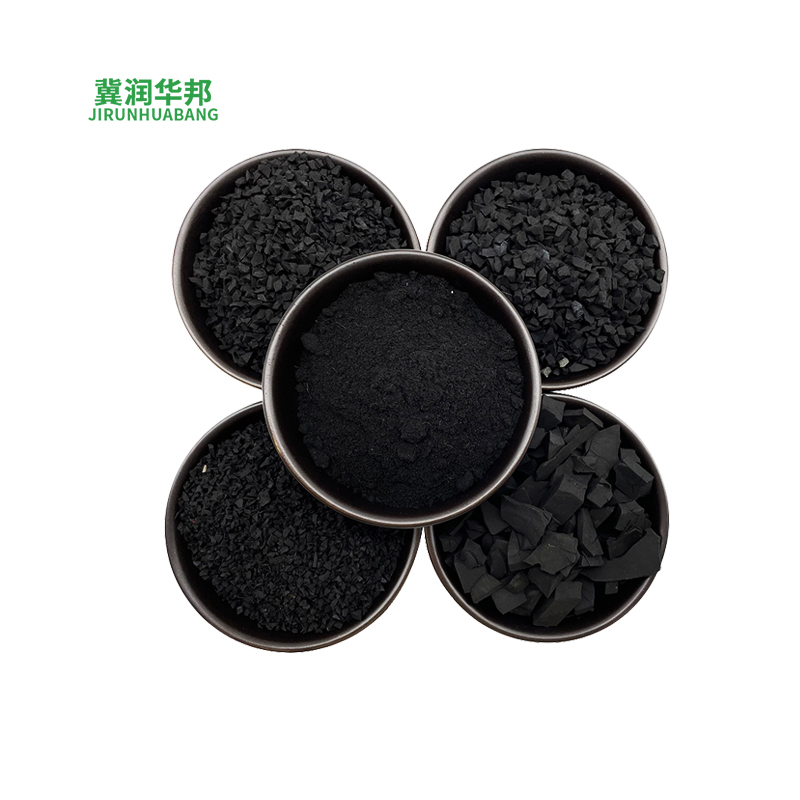
Opcje wielkości cząstek
Nasza oferta obejmuje zakres wielkości cząstek od 5 mikronów do 80 mesh, co w pełni odpowiada wymogom specyfikacji dla różnych zastosowań. W porównaniu z tradycyjnymi metodami mielenia w temperaturze pokojowej nasza nowoczesna technologia mielenia kriogenicznego w niskich temperaturach pozwala uzyskać cząstki o czystszych powierzchniach oraz bardziej jednorodnych i stabilnych właściwościach fizycznych.
Usługi dostosowywania
Oferujemy w pełni dostosowany kolorowy proszek gumowy, zaprojektowany zgodnie z wymaganiami dotyczącymi wyglądu i wydajności. Korzystając z dwóch sprawdzonych procesów koloryzacji (pokrywanie powierzchniowe oraz integracja barwników w linii produkcyjnej), możemy zapewnić szeroki zakres intensywnych kolorów, spełniających zarówno potrzeby dekoracyjne, jak i funkcjonalne Państwa projektów.
Kontrola jakości
Każda partia naszych produktów podlega ścisłym badaniom jakościowym, w tym analizie rozkładu wielkości cząstek, wykrywaniu pozostałości metali i włókien oraz weryfikacji składu chemicznego. Surowy system zarządzania jakością gwarantuje spójną jakość między poszczególnymi partiami oraz pełną zgodność ze standardami branżowymi obowiązującymi w międzynarodowej praktyce.
2. Kluczowe zalety wydajnościowe granulek gumowych
Wartość użytkowa materiału przemysłowego określana jest jego rzeczywistą wydajnością w warunkach eksploatacji, a nasze granulki gumowe wyróżniają się wyjątkowymi właściwościami w kilku kluczowych obszarach wydajności:
- Wyróżniające się właściwości pochłaniania wstrząsów i tłumienia drgań, skutecznie zmniejszające obciążenie uderzeniowe oraz uszkodzenia spowodowane drganiami mechanicznymi
- Doskonała odporność na warunki atmosferyczne i starzenie się, zapewniająca stabilne właściwości w trudnych warunkach środowiskowych
- Dobra stabilność chemiczna z wysoką odpornością na kwasy, zasady oraz korozję
- Wysoka zgodność z matrycami gumowymi i tworzywowymi, łatwe do mieszania i przetwarzania
- Znaczna przewaga kosztowa w porównaniu z gumą pierwotną przy zachowaniu porównywalnych właściwości mechanicznych
3. Wielofunkcyjne zastosowania w wielu branżach
Dzięki dużej uniwersalności i elastycznym właściwościom granulki gumowe oraz proszek gumowy znajdują szerokie zastosowanie w różnorodnych branżach i scenariuszach zastosowań:
3.1 Obiekty sportowe i rekreacyjne
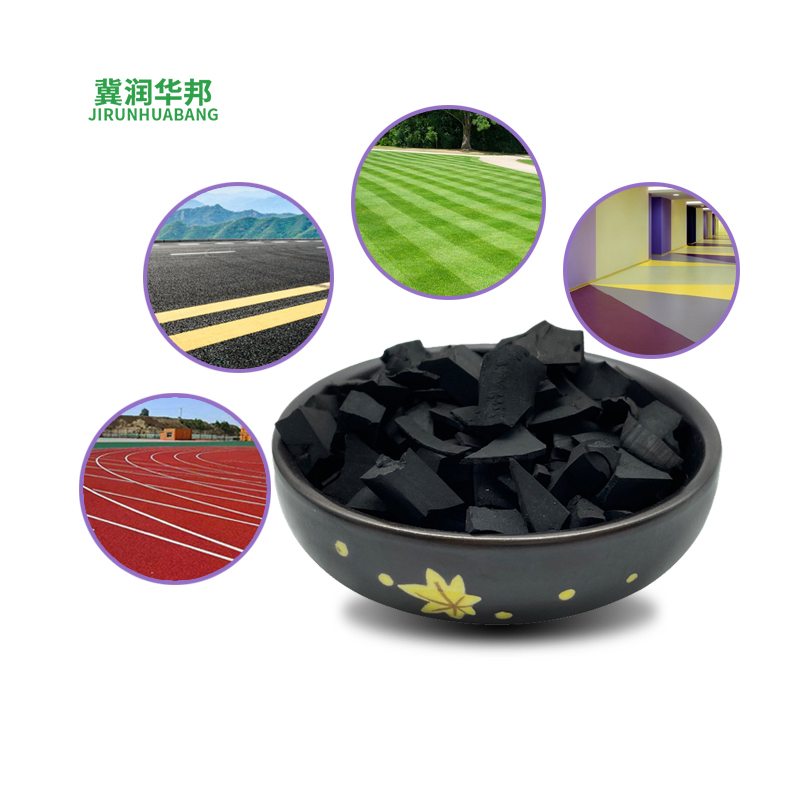
- Profesjonalne korty sportowe: idealne dla kortów do koszykówki, tenisa oraz wielofunkcyjnych kortów – dzięki wyjątkowym właściwościom pochłaniania wstrząsów chronią stawy sportowców przed urazami spowodowanymi uderzeniem
- Placówki zabaw i obszary rekreacyjne: Kolorowe granulki gumowe zapewniają bezpieczne, przeciwsuwne i wizualnie atrakcyjne powierzchnie dla placów zabaw dla dzieci, ścieżek fitness oraz obiektów rekreacyjnych
- Tor bieżniowy: Zapewnia stałą sprężystość i właściwości przeciwsuwne zgodne ze standardami profesjonalnych torów lekkoatletycznych, co poprawia wydajność sportową i zmniejsza ryzyko urazów podczas uprawiania sportu
3.2 Budownictwo i inżynieria cywilna
- Redukcja drgań i hałasu: Doskonała zdolność pochłaniania wstrząsów łagodzi wpływ drgań mechanicznych na konstrukcje budowlane, wydłużając czas eksploatacji obiektów oraz ograniczając hałas przenoszony przez konstrukcję
- Inżynieria drogowa i mostowa: Stosowane do modyfikacji asfaltu, stabilizacji podbudowy drogowej oraz wypełniania szwów rozszerzalnościowych, co poprawia odporność nawierzchni na pęknięcia, trwałość oraz komfort jazdy
- Zabezpieczenia przeciwdeszczowe i uszczelnienia: Wprowadzane do powłok przeciwdeszczowych i materiałów uszczelniających w celu zwiększenia ich sprężystości, przyczepności oraz odporności na starzenie się systemów zabezpieczenia przeciwdeszczowego budynków
3.3 Przemysł produkcyjny
- Produkcja materiałów kompozytowych: Poprawia właściwości mechaniczne i fizyczne mieszanki kauczuku z tworzywami sztucznymi, zwiększając odporność na uderzenia, elastyczność oraz wydajność przetwarzania
- Produkcja komponentów samochodowych: Szeroko stosowany przy produkcji mat do podłogi samochodów, elementów uszczelniających, amortyzatorów pojazdów oraz elementów wykończenia wnętrza, co pozwala obniżyć koszty produkcji bez utraty wydajności produktu
- Regeneracja wyrobów gumowych: Jako opłacalny surowiec do produkcji węży, uszczelek, taśm transportowych oraz innych ogólnych wyrobów gumowych – optymalizuje koszty surowców bez pogarszania właściwości użytkowych
- Modyfikacja klejów i powłok: Dodawany do klejów, powłok i uszczelniaczy w celu poprawy elastyczności, odporności na uderzenia oraz odporności na warunki atmosferyczne
3.4 Inżynieria obrony narodowej i bezpieczeństwa
- Ograniczanie i ochrona przed wybuchami: stosowane w konstrukcjach ścian odpornych na wybuchy, tymczasowych fortyfikacjach wojskowych oraz obiektach odpornych na wybuchy w celu pochłaniania energii uderzenia i ograniczania szkód spowodowanych wybuchem
- Izolacja wibracji dla urządzeń czułych: idealne jako fundament wież do nadzoru granicznego, obiektów ochrony strefy przyległej oraz precyzyjnego sprzętu wojskowego, zapewniające doskonałe tłumienie wibracji i stabilność
- Infrastruktura szybkiej rozmieszczalności: zapewnia efektywne i szybko realizowane rozwiązania dla tymczasowych pasów startowych, stabilizacji dróg polowych oraz obiektów schronień awaryjnych w obszarach objętych konfliktem lub klęską żywiołową
4. Wskazówki dotyczące zastosowania oraz zalecane normy użytkowania
Aby pomóc osiągnąć optymalne rezultaty zastosowania i maksymalnie wykorzystać możliwości produktu, przygotowaliśmy poniższe zalecane specyfikacje oraz kluczowe środki ostrożności dla najczęściej występujących przypadków zastosowania:
Kluczowe środki ostrożności podczas montażu i budowy
- Kompleksowe i ustandaryzowane przygotowanie podłoża jest kluczowym czynnikiem, który bezpośrednio decyduje o wytrzymałości połączenia materiału oraz jego długotrwałej trwałości w użytkowaniu. Powierzchnia podstawowa musi być czysta, sucha, płaska oraz pozbawiona luźnych cząstek, plam oleju i innych zanieczyszczeń przed rozpoczęciem robót.
- Temperatura i wilgotność otoczenia bezpośrednio wpływają na szybkość utwardzania kleju i ostateczną jakość połączenia. Zaleca się wykonywanie prac budowlanych w temperaturze otoczenia 5–35°C i wilgotności względnej poniżej 85%.
- Ścisłe przestrzeganie zalecanego stosunku mieszania kleju i ziaren gumowych oraz zapewnienie jednolitego wymieszania pozwala uniknąć niestabilnego utwardzania i pogorszenia właściwości użytkowych.
Informacja ważna : Rzeczywiste zużycie materiału może się różnić w zależności od stanu powierzchni podstawowej, zastosowanej metody wykonania robót oraz wymagań projektowych danego zadania. Zdecydowanie zalecamy przeprowadzenie małoskalowych prób terenowych przed rozpoczęciem pełnoskalowego wykonania robót, aby zweryfikować właściwości materiału i odpowiednio dostosować parametry wykonawcze.
5. Perspektywy branżowe: Strategiczne możliwości dla recyklingu gumy w kontekście globalnych przesunięć geopolitycznych
Trwające przesunięcia w globalnym krajobrazie geopolitycznym i ekonomicznym stworzyły bardzo korzystne warunki rozwoju dla branży recyklingu gumy. Dla przedsiębiorstw dążących do wykorzystania nowo powstających okazji i zdobycia przewagi konkurencyjnej kluczowe jest dogłębne zrozumienie tych dynamik branżowych.
5.1 Nietrwałość łańcucha dostaw zwiększa popyt na materiały alternatywne
- Stabilna alternatywa dla materiałów pochodzenia petrochemicznego: Gumy syntetyczne są w dużym stopniu zależne od pochodnych ropy naftowej. W obliczu trwających kryzysów energetycznych oraz skrajnej zmienności cen ropy naftowej guma przetworzona stała się bardziej opłacalną i stabilną pod względem dostaw alternatywą dla zastosowań przemysłowych, ograniczając zależność od niestabilnych łańcuchów dostaw materiałów petrochemicznych.
- Wsparcie polityki gospodarki obiegu zamkniętego: Rządy na całym świecie wprowadzają coraz surowsze przepisy dotyczące utylizacji opon po zakończeniu ich życia użytkowego oraz recyklingu odpadów gumowych, a także stymulują stosowanie materiałów wtórnych, tworząc sprzyjające warunki prawne dla wzrostu branży.
5.2 Odbudowa po konflikcie i klęskach żywiołowych generuje ogromne zapotrzebowanie rynkowe
Regiony dotknięte konfliktami i katastrofami stoją w obliczu pilnej potrzeby odbudowy infrastruktury, budynków i obiektów użyteczności publicznej na dużą skalę. Granulat gumowy zapewnia wydajne i szybkie rozwiązania w zakresie budowy tymczasowych pasów startowych, stabilizacji podbudowy dróg, materiałów odpornych na wybuchy oraz szybkiej budowy obiektów dla przesiedlonej ludności. Przy ograniczonych budżetach na odbudowę, guma z recyklingu pozwala zaoszczędzić od 30 do 50% kosztów, jednocześnie w pełni spełniając standardy techniczne, co czyni ją preferowanym materiałem w projektach odbudowy na dużą skalę.
5.3 Rozszerzające się zastosowania w sektorze obrony i bezpieczeństwa
W inżynierii wojskowej materiały gumowe są powszechnie stosowane do łagodzenia skutków wybuchów, ochrony pojazdów opancerzonych, zapewniania cichego działania oraz budowy tymczasowej infrastruktury wojskowej. Ich wyjątkowa zdolność do tłumienia drgań czyni je również idealnym materiałem do fundamentów wież obserwacyjnych na granicy oraz obiektów ochrony obszarowej. Wraz ze wzrostem globalnych wydatków obronnych na infrastrukturę polową i ochronę sił zbrojnych rośnie zapotrzebowanie na wysokiej jakości odbudowane materiały gumowe w sektorze obronnym.
6. Przewodnik po doborze wysokiej jakości ziaren gumowych: kluczowe kryteria
Jakość ziaren gumowych dostępnych na rynku różni się znacznie, a ogólna wydajność produktu zależy od kilku podstawowych wskaźników technicznych. Przy wyborze dostawców i produktów należy zwrócić uwagę na następujące kluczowe kryteria:
Czystość i skład materiałowy
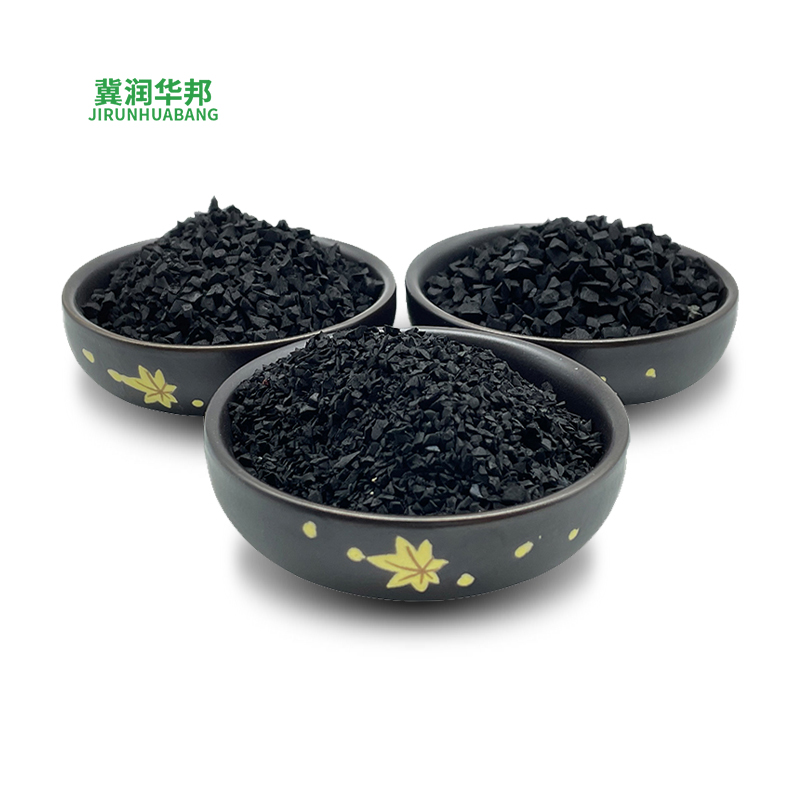
- Zawartość resztkowego metalu w produkcie powinna być kontrolowana na poziomie poniżej 0,1 % wagowo, przy minimalnej zawartości włókien i zanieczyszczeń niemetalicznych, aby zapewnić stabilną wydajność i uniknąć uszkodzenia sprzętu przetwarzającego.
- Należy preferować produkty wykonane z wysokiej jakości zużytych opon ciężarowych i autobusowych, które zapewniają lepsze właściwości mechaniczne i odporność na starzenie niż mieszane źródła gumy odpadowej.
Spójność rozkładu wielkości cząstek
- Jednolita wielkość cząstek oraz wąski rozkład ich wielkości w całym produkcie zapewniają spójne i stabilne efekty zastosowania w projektach inżynierskich oraz w produkcji materiałów kompozytowych, eliminując wahania wydajności spowodowane nieregularną wielkością cząstek.
Technologia obróbki powierzchni
- Zaawansowana technologia aktywacji powierzchni skutecznie poprawia zgodność i przyczepność materiału w zastosowaniach kompozytów gumowo-plastycznych, zwiększając ogólną wydajność końcowego produktu.
- Dla produktów kolorowych trwałość powłoki barwniczej jest kluczowym wskaźnikiem zapewniającym długotrwałą stabilność koloru, odporność na promieniowanie UV oraz brak wyblakania w zastosowaniach estetycznych na zewnątrz.
Zgodność i certyfikaty międzynarodowe
- Należy preferować produkty, które uzyskały główne międzynarodowe certyfikaty jakości i środowiskowe, w tym REACH, RoHS oraz ISO 9001, aby zagwarantować jakość produktu, zgodność ze standardami środowiskowymi oraz bezproblemowy dostęp do rynków globalnych.
Jako profesjonalny producent bezpośredni, w całym procesie produkcyjnym ścisłe przestrzegamy tych wysokich standardów jakości. Wszystkie nasze produkty w postaci ziaren gumy przeszły rygorystyczne wewnętrzne kontrole jakości oraz niezależne testy zewnętrzne i posiadają wszystkie odpowiednie certyfikaty międzynarodowe wymagane w handlu globalnym.
7. Podsumowanie: Ziarna gumy – materiał zrównoważony napędzający przyszłość przemysłu
Od zwiększania bezpieczeństwa placów zabaw dla dzieci po wspieranie budowy kluczowej infrastruktury obrony narodowej – granulki gumowe i proszek gumowy doskonale łączą odpowiedzialność środowiskową z niezawodną wydajnością przemysłową. Trwające zmiany w globalnym krajobrazie gospodarczym i geopolitycznym jeszcze bardziej podkreśliły strategiczną wartość materiałów wtórnych, zapewniając trwałego impulsu wzrostowego światowej branży recyklingu gumy.
 Gorące wiadomości
 EN
EN